
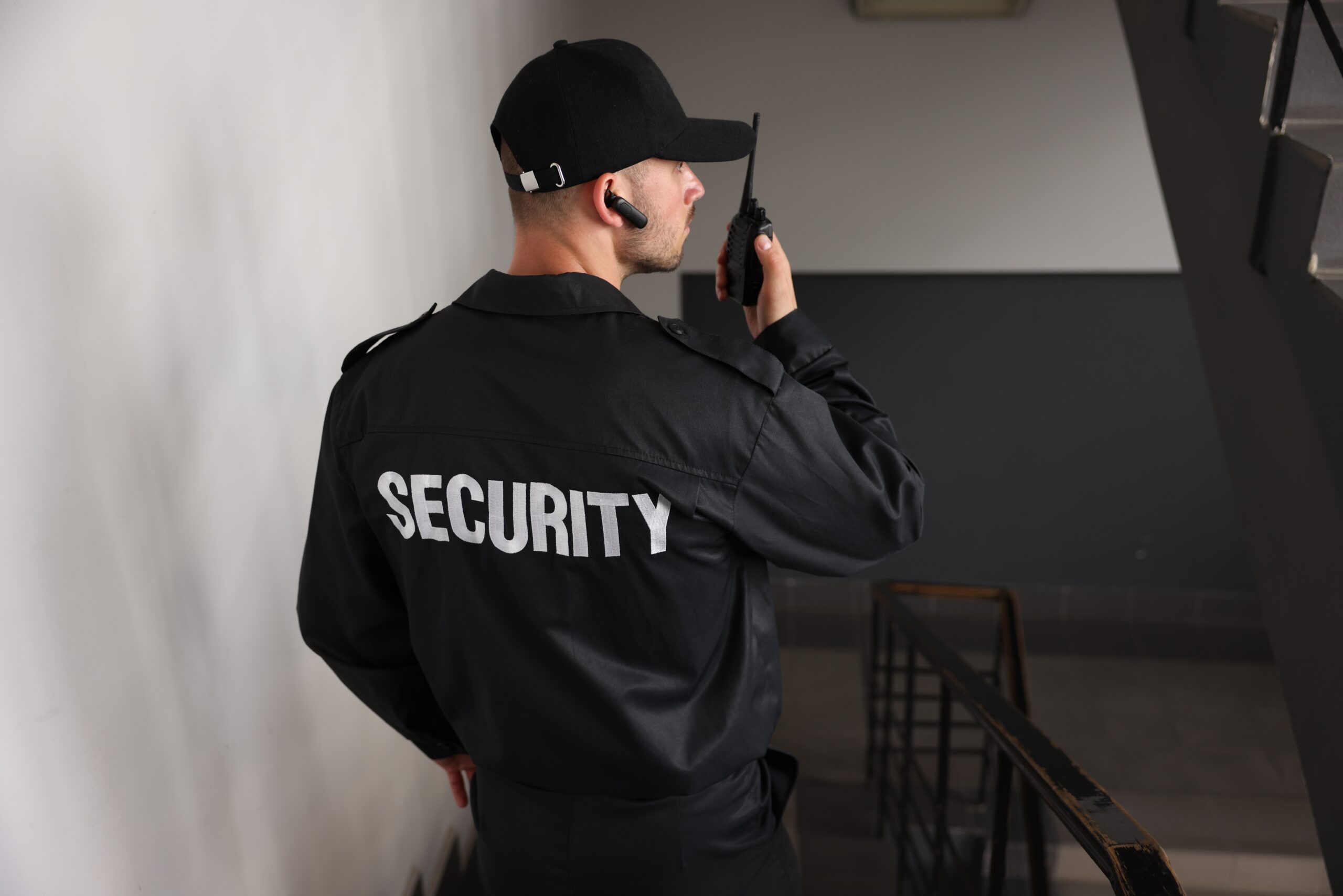
Private security has changed dramatically over the past several years. Security officers are no longer simply stationed at doors or asked to patrol parking lots. Today, professional security teams can play an important role in protecting people, property, employees, customers, and business operations.
As organizations face concerns ranging from theft and vandalism to workplace incidents and unauthorized access, many are taking a more proactive approach to security.
Security Is Becoming More Proactive
Traditional security often focused on responding after something happened. Modern private security increasingly emphasizes prevention.
A trained security officer can identify suspicious behavior, notice vulnerabilities, monitor entrances, conduct routine patrols, document unusual activity, and communicate potential problems before they escalate.
The simple presence of a uniformed officer can also provide a visible reminder that a property is being monitored.
More Than One Type of Security
There is no universal security solution for every property. A retail center may have very different concerns from a construction site, apartment community, office building, warehouse, or special event.
Depending on the environment, a security strategy could include:
- Armed or unarmed security officers
- Access control and visitor management
- Vehicle or foot patrols
- Surveillance monitoring
- Parking lot security
- Construction-site security
- Residential and apartment security
- Event security
- Incident documentation and reporting
The objective is to match the security approach to the property’s actual risks.
Technology Is Changing the Industry
Cameras, access-control systems, digital reporting, GPS-enabled patrol systems, and real-time communications have given security teams better tools.
Technology, however, doesn’t completely replace trained personnel.
A camera can record suspicious behavior. A security professional can recognize what is happening, communicate with the appropriate people, follow established procedures, and respond according to training and company policy.
The strongest security programs often combine technology with qualified personnel.
Security Is Also About People
Professionalism matters. Security officers frequently interact with employees, residents, customers, vendors, visitors, and members of the public.
That means communication skills, judgment, reliability, documentation, and professionalism can be just as important as physical presence.
For many organizations, private security has become part of a broader risk-management strategy—one designed not simply to respond to problems, but to help create safer and more controlled environments.