
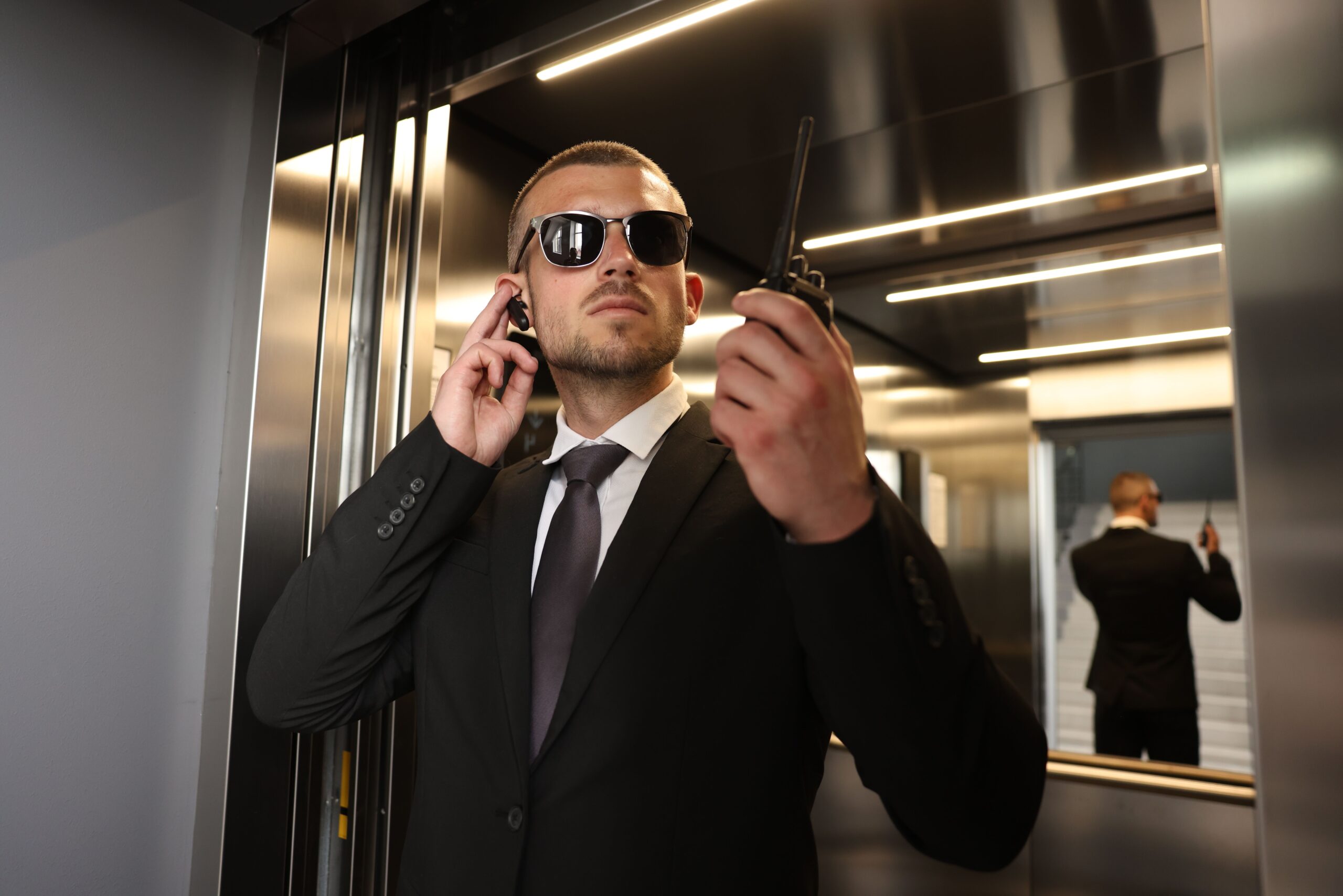
A uniform alone doesn’t make someone an effective security professional.
The quality of a private security service depends heavily on the people providing it—their training, reliability, communication skills, judgment, supervision, and ability to follow established procedures.
That’s why organizations evaluating security providers should look beyond whether a company can simply place someone at a property.
Training Builds the Foundation
Security officers can encounter unpredictable situations.
Depending on their assignment and applicable requirements, training may address observation, reporting, access control, patrol procedures, communication, emergency response, de-escalation, and other responsibilities.
Armed officers carry additional responsibilities and must meet applicable licensing and training requirements.
Training should also continue after an officer begins working.
Properties change. Procedures change. New risks emerge. Officers need to understand what is expected of them at the location they are protecting.
Communication Matters
Some of the most valuable skills in security aren’t physical.
They’re interpersonal.
Officers regularly communicate with employees, visitors, residents, customers, vendors, supervisors, and sometimes emergency personnel.
The ability to remain composed, communicate clearly, gather information, and follow procedures can make a major difference during a difficult situation.
Documentation Is Part of Security
Professional security isn’t only about what an officer sees. It’s also about what gets documented.
Incident reports and patrol records can help property managers and business owners understand patterns occurring at their locations.
Repeated trespassing in one area, suspicious activity at certain hours, unsecured access points, or recurring property damage may indicate a larger problem that management needs to address.
Appearance and Reliability Matter
A security officer represents both the security provider and the organization being protected.
Professional appearance, punctuality, attentiveness, and appropriate interaction with the public help establish credibility.
An officer distracted by a phone or routinely leaving an assigned area undermines the purpose of having security in the first place.
Invest in Professional Security
When selecting a security provider, price matters—but it shouldn’t be the only consideration.
Organizations should also evaluate licensing where applicable, officer screening, training, supervision, communication procedures, reporting standards, responsiveness, and the company’s ability to match personnel with the assignment.
Ultimately, professional private security is built around more than presence.
It’s built around preparation, people, procedures, and professionalism.