
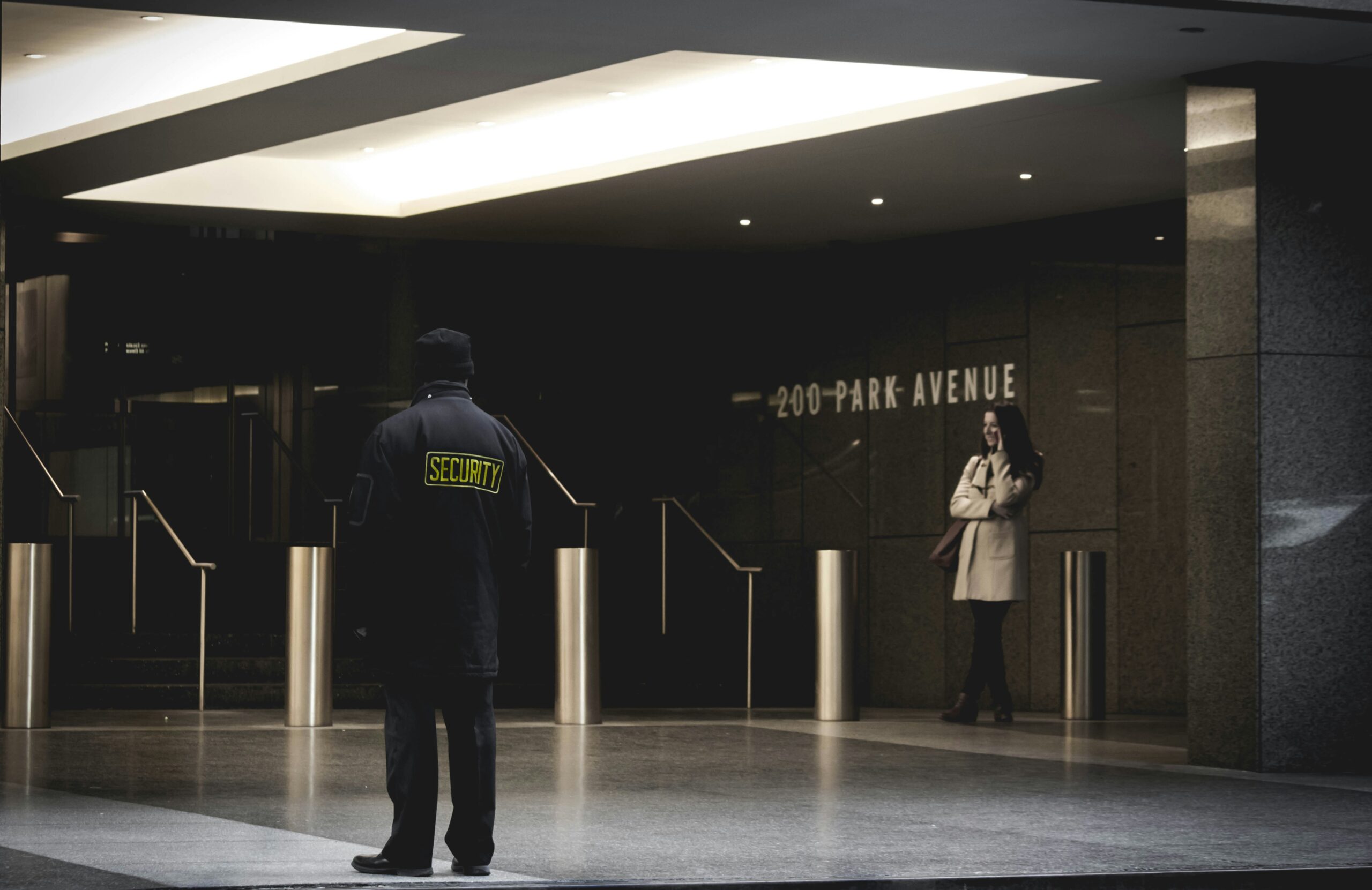
One of the first questions businesses often face when considering professional security is whether they need armed or unarmed officers.
The answer depends on the property, its risks, operating environment, and security objectives.
Neither option is automatically better. The goal is to select the level of security appropriate for the situation.
When Unarmed Security Makes Sense
Unarmed security can be effective in environments where the primary goals are visibility, access control, observation, customer assistance, patrols, and incident reporting.
Potential environments include office buildings, residential communities, retail properties, hotels, corporate facilities, and certain events.
An unarmed officer provides something that cameras and alarms cannot: a visible human presence.
Officers can monitor entrances, check credentials, conduct patrols, identify suspicious behavior, document incidents, and contact management or emergency services when appropriate.
When Armed Security May Be Appropriate
Some properties operate in environments with elevated security concerns.
Depending on the organization’s risk assessment and applicable laws, armed security may be considered for certain financial operations, high-value assets, critical infrastructure, higher-risk properties, or locations with documented security concerns.
Armed officers carry significantly greater responsibility and should have the licensing, qualifications, training, and judgment required for the assignment.
Consider the Environment
Before choosing between armed and unarmed security, organizations should consider factors such as property type, operating hours, previous incidents, surrounding environment, employee and visitor volume, valuable assets, access points, and emergency procedures.
A warehouse operating overnight, for example, may have different needs from a professional office that closes at 5 p.m.
Don’t Overlook Professionalism
Regardless of whether an officer is armed, professionalism should remain a priority.
Security officers are often among the first people visitors encounter. Their appearance, communication, attentiveness, judgment, and ability to follow procedures can influence both security and the perception of the organization.
The best decision isn’t simply “armed or unarmed.”
It’s determining the appropriate security strategy for the specific property.