
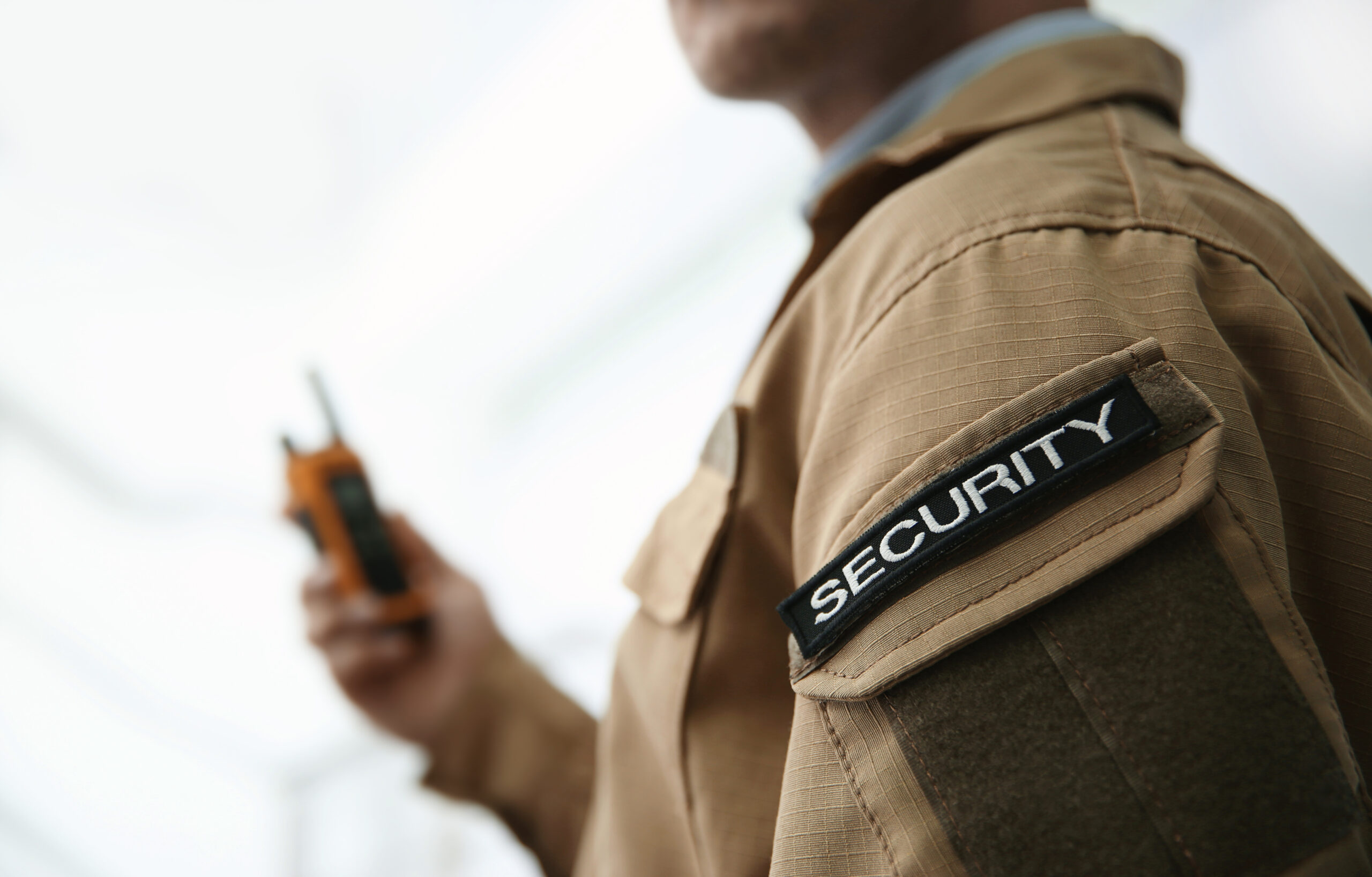
When people think about private security, they sometimes assume that an officer must be armed to be effective.
That’s not necessarily the case.
For many businesses and properties, unarmed security provides a practical combination of visibility, prevention, communication, monitoring, and customer interaction.
The Power of Visible Presence
One of the most important functions of an unarmed security officer is deterrence.
Someone considering theft, trespassing, vandalism, or another prohibited activity may behave differently when they know a trained security professional is actively monitoring the property.
Unlike a stationary camera, an officer can move throughout a property and interact with people in real time.
Controlling Who Comes and Goes
Unauthorized access can create problems for offices, apartment communities, industrial properties, warehouses, events, and other facilities.
Unarmed officers can assist with access-control procedures by monitoring entrances, checking identification or credentials where appropriate, maintaining visitor logs, directing guests, and identifying unauthorized individuals.
These responsibilities make security part of the property’s everyday operations.
Patrols Identify Problems
Security patrols aren’t limited to looking for suspicious individuals.
During routine patrols, officers may observe unsecured doors, damaged gates, unusual vehicles, lighting problems, property damage, or other conditions that require attention.
When those observations are properly documented, management receives valuable information about what is occurring throughout the property.
Security Can Still Be Welcoming
Some businesses want a security presence without creating an unnecessarily intimidating atmosphere.
That’s where professional unarmed security can be particularly valuable.
A well-trained officer can provide security while still greeting visitors, answering basic questions, providing directions, and communicating professionally with employees, residents, and customers.
A Human Layer of Protection
Technology is important, but technology has limitations.
Cameras observe. Alarms alert. Access-control systems restrict entry.
People interpret situations.
Unarmed officers provide that human element—observation, judgment, communication, documentation, and a physical presence.
For many organizations, that’s exactly what an effective security program needs.